If you’ve recently invested in a new Packaging Waste Stripping System, the last thing you want is to watch your production line grind to a halt over avoidable issues. For packaging operations, every minute of unplanned stop costs an average of $$500 to$$1,500, according to data from the Manufacturing Industry Institute—and that’s just the direct labor and material loss. Factor in missed delivery deadlines, rushed overtime pay, and spoiled perishable goods for food operations, and those small hiccups can add up to six-figure annual losses before you know it. Over the 12 years I’ve spent consulting for packaging facilities across North America and Europe, I’ve seen too many teams burn through their budget on a shiny new machine, only to spend the first three months troubleshooting stops that could have been prevented with the right setup and choices.
Let’s cut through the noise: most facilities don’t fully account for how much unplanned production halts eat into their margins. A 2024 industry report found that 82% of packaging manufacturers have experienced unplanned downtime in the past three years, with food and beverage operations losing anywhere from 1% to 10% of their annual revenue to these disruptions.
It’s not just the big, catastrophic breakdowns that hurt, either. The small, daily stops—10 minutes here to clear a jammed scrap bin, 15 minutes there to re-adjust misaligned tooling—add up. I worked with a snack food packaging plant last year that was losing 12 hours a week to these tiny stops, and they didn’t even realize it until we mapped their line data. That’s over 600 hours a year of lost production, enough to run an extra full production shift every month.
The worst part? Most of these stops aren’t caused by the equipment itself. They’re caused by poor setup, wrong training, or choosing a solution that doesn’t actually fit your unique line. If you’re wondering how to make sure your new investment doesn’t turn into a new headache, the first step is understanding the hidden pitfalls that trip up most teams. Many facilities find that starting with the right baseline configuration can eliminate 70% of these early issues before they start.
When you unbox that new machine, it’s easy to assume that plugging it in and turning it on is enough. But that’s where most teams run into trouble. From what I’ve seen, there are three common mistakes that cause 90% of the early downtime with new waste handling equipment:
First, rushed commissioning and improper configuration. Too many suppliers ship the machine, send a technician for a day to get it running, and then leave. But if that technician doesn’t tune the servo settings to your specific material, or adjust the sensor placement for your line speed, you’re left with a machine that works for the demo, but not for your actual production. A poorly tuned servo or misaligned pressure setting can cause constant jams, because the machine can’t keep up with the slight variations in your corrugated or paper stock.
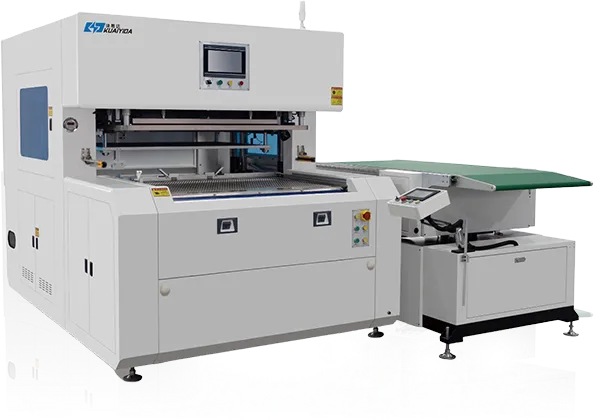
Second, the training gap. Vanson Bourne’s research found that 23% of all unplanned downtime is caused by human error—and that’s even worse with new, complex equipment. A lot of teams do the “shadow the tech for a day” training, where one operator learns how to run the machine, and then passes it on to the rest of the team. But that leads to missed steps, wrong settings, and operators who are scared to touch the machine when something goes wrong, because they don’t understand how it works. I’ve seen operators spend an hour trying to fix a simple error, because they didn’t know what the fault code meant, and they were worried they’d break something if they touched the controls.
Third, reactive instead of proactive maintenance. New machines don’t break down overnight, but small issues build up. If you don’t have a preventive maintenance schedule for your new equipment, you’ll end up with worn rollers, loose connections, or clogged waste channels that cause sudden stops. Most teams wait until something breaks to fix it, but that’s the most expensive way to do maintenance.
The good news is that these issues are all avoidable—if you choose a solution that’s built to work with your operation, not against it. A lot of modern equipment is designed to minimize these risks, with modular components that are easy to adjust, and intuitive controls that reduce the training burden. explore our modular design options to see how flexible configurations can cut down on setup time and human error.
A lot of facilities that are upgrading their waste handling are coming from older methods, and they don’t realize how much those old methods were costing them. Let’s break down the three most common options, and why they fall short when you’re trying to eliminate downtime:
First, manual waste stripping. This is the old standby, right? You have a team of workers who stand at the end of the line, pulling the scrap material off the sheets by hand. It sounds cheap, but it’s actually the most expensive option in the long run. Manual methods have a 5% error rate, according to 2023 industry benchmark data, which means you’re getting damaged products, or missed scrap that clogs up your downstream equipment. And it’s slow—manual stripping can only keep up with low-speed lines, and as soon as you ramp up production, you end up with a backlog of material that causes stops. Plus, you have to pay for all that labor, which adds up fast. One study found that automated solutions can cut labor costs for this task by up to 60%, because you don’t need a team of workers to handle the scrap.
Then there are the one-size-fits-all automated stripping machines. These are the generic systems that you can buy off the shelf, and they work… for the most part. But the problem is that they’re built for standard materials and standard box sizes. If you run a flexible operation that does short runs, or custom packaging, or works with different materials—like thin food packaging, or thick corrugated for shipping boxes—these machines can’t keep up. Every time you change your product, you have to spend hours changing the tooling, adjusting the settings, and testing to make sure it works. That’s line changeover speed that you’re losing, and that’s downtime. I worked with a custom packaging shop that was spending 4 hours every time they changed products with their old generic machine, which meant they could only run one product a day, because the changeover took too long.
For many facilities, the Packaging Waste Stripping System integrated with a high-performance blanking machine solves these gaps perfectly. It’s not a generic off-the-shelf solution, and it’s not the slow, error-prone manual method. It’s a middle ground that’s built for flexibility, so you can run multiple products, multiple materials, without spending hours changing over.
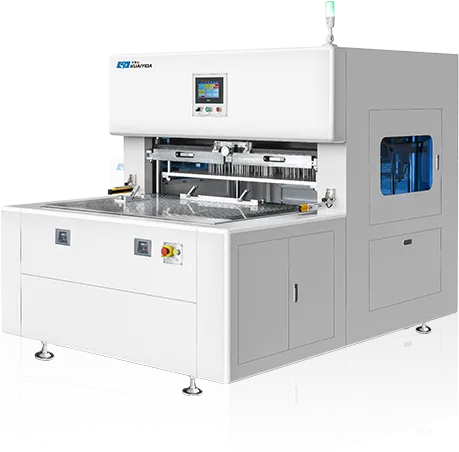
This is where custom, integrated solutions really shine. I’ve seen facilities that switched to KYD’s integrated system cut their changeover time from 4 hours to 20 minutes. How? Because it doesn’t require custom molds for every single box size. Instead, it uses a honeycomb plate frame and adjustable pins that you can reconfigure in minutes, to match whatever box shape or size you’re running that day. No more ordering new molds every time you launch a new product, no more spending hours swapping out tooling. That means you can run short runs, custom orders, and multiple products in the same day, without the downtime that comes with changeovers.
And the waste removal? It’s fully integrated, so it clears all the scrap in one pass. No more jams, no more leftover scrap that clogs up your line, no more workers having to reach into the machine to clear stuck material. The system automatically presses out the waste from the sheet, so you get clean, finished products, and the scrap is collected automatically, ready for recycling. That eliminates 90% of the small daily stops that used to eat into your production time.
The best part is that it’s fully customizable. If you have a unique line, or you work with special materials, the team can tailor the system to fit your exact needs. They don’t make you fit your operation to their machine—they build the machine to fit your operation. That’s the difference between a solution that causes you more headaches, and one that actually eliminates downtime. A lot of our clients have seen this work first-hand, with facilities running 24/7 lines with almost no unplanned stops after switching. see real-world application cases to see how other facilities have transformed their production.
Even with the right machine, there are a few steps you can take to make sure you avoid downtime, especially in the first few months after installation.
First, invest in proper training. Don’t just train one operator—train your whole team, and make sure they have access to digital SOPs and quick reference guides, so they can look up fault codes or adjustment steps when they need to. A lot of teams skip this, but it’s the easiest way to cut down on human error.
Second, set up a simple preventive maintenance routine. It doesn’t have to be complicated—just a weekly check of the rollers, a monthly cleaning of the waste channels, and a quarterly check of the sensors. That small amount of time will prevent big breakdowns down the line.
Third, work with a supplier that offers ongoing support. You don’t want to be stuck with a machine that breaks down, and no one to call to fix it. The best suppliers offer remote support, so they can troubleshoot issues over the phone, and on-site support if you need it. That way, if you do run into a problem, you can get it fixed in minutes, not days.
At the end of the day, investing in new equipment is about making your operation more efficient, not more stressful. The right system doesn’t just clear waste—it eliminates the downtime, the labor costs, and the headaches that come with old, outdated methods.
Free one-year warranty.
24/7 technical support.
Efficient supply of original spare parts.


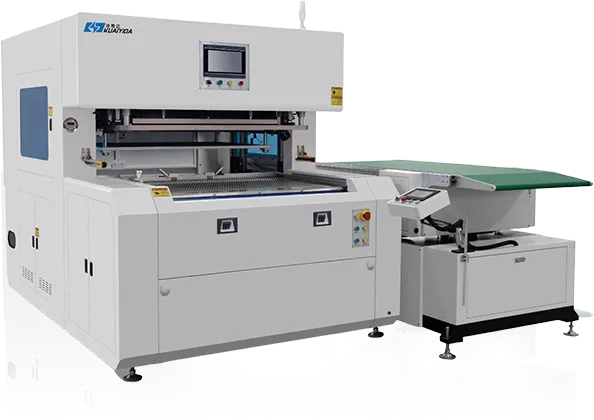
|
Core Competency |
Manual feeding + automatic waste removal |
|
Suitable Scenario |
Irregularly shaped products |
|
Minimum Product Size |
35X35mm |
|
Waste Removal Speed |
1-5 times/min |
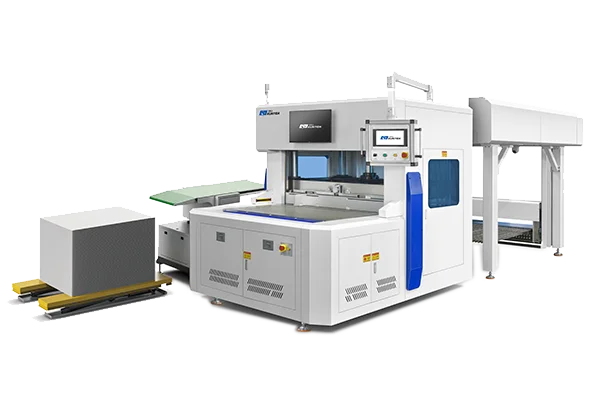
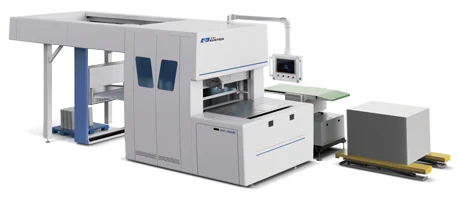
| Core Competency | Auto Collection |
| Suitable Scenario | Packaging |
| Minimum Product Size | 100*80mm |
| Waste Removal Speed | 2-3 times/min |

| Core Competency | Economical waste disposal solutions |
| Suitable Scenario | Basic packaging box |
| Minimum Product Size | 35X35mm |
| Waste Removal Speed | 1-5 times/min |
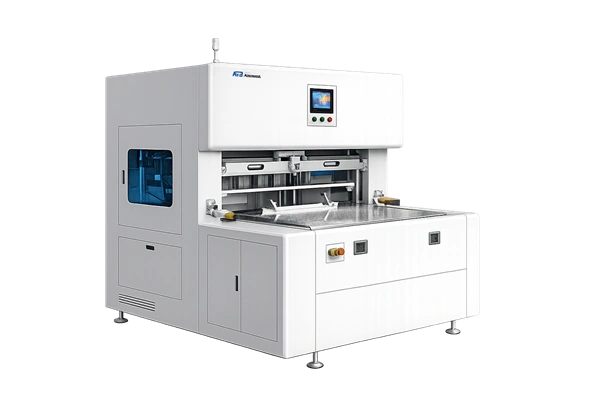
| Core Competency | waste removal |
| Suitable Scenario | Packaging |
| Minimum Product Size | 35X35mm |
| Waste Removal Speed | 1-5 times/min |



 English
 Español