When running high-volume packaging production lines, slow waste removal and uneven edge trimming often drag down overall line efficiency, and a well-engineered Stripping Machine cuts through these bottlenecks to stabilize daily output for packaging manufacturers. Most mid-to-large packaging factories face consistent pain points: manual waste tearing causes inconsistent finished product quality, traditional semi-automated tools struggle to keep up with high-speed line rhythms, and leftover edge scraps easily jam follow-up processing units. According to 2025 packaging processing industry operational data released by the International Packaging Manufacturers Association, over 62% of high-speed packaging workshops lose 8-12% of daily productivity due to inefficient waste stripping workflows, a hidden loss that most production managers overlook in routine cost audits. For brand owners and contract packaging producers pursuing stable yield and standardized finished goods, upgrading high-speed waste stripping processes is no longer an optional improvement, but a necessary step to scale production capacity.
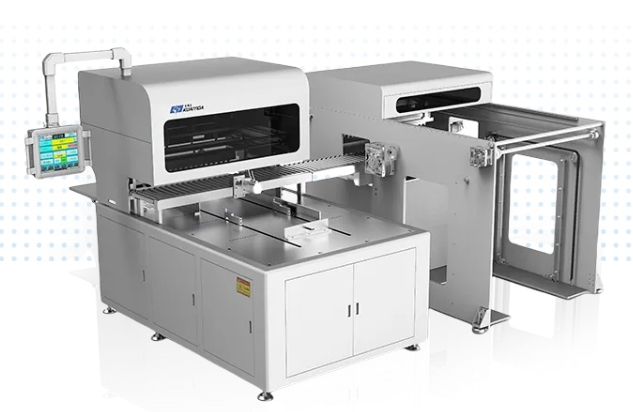
Modern packaging materials range from coated paper, composite plastic sheets to color printing carton substrates, and different material toughness and thickness raise higher demands for waste separation precision. Many generic processing devices on the market only support single material types, forcing factories to deploy multiple standalone devices for mixed packaging orders, which raises floor space costs and daily maintenance workloads. Flexible production adaptation has become a core demand for contemporary packaging enterprises, especially for factories undertaking small-batch, multi-style customized packaging orders. Operators need equipment that can quickly adjust parameters without lengthy downtime debugging, to switch between carton waste stripping, flexible packaging edge trimming and printed product blanking separation freely.
In conventional production settings, many teams still rely on semi-manual cooperation or outdated single-function stripping devices, exposing obvious defects in high-speed operation scenarios. First, manual-assisted waste peeling leads to high labor intensity and unstable output; prolonged repetitive work increases employee fatigue, directly causing defective products such as torn packaging surfaces and offset printing layers. Second, old-generation fixed-structure waste processing units lack adjustable running parameters, unable to match the variable operating speed of modern high-speed printing and packaging lines.
Third, poor scrap discharge design leads to accumulated waste residue inside the equipment, triggering frequent shutdown cleaning and shortening continuous running time. For enterprises with 24-hour non-stop production schedules, unplanned shutdown cleaning will directly disrupt delivery cycles and damage long-term cooperative client relationships. Beyond operational efficiency, unoptimized waste stripping processes also bring extra material waste: incomplete edge separation increases scrap rates of qualified semi-finished products, slowly raising comprehensive production costs over time.
To solve the above industry pain points systematically, KYD has focused on iterative upgrading of packaging post-processing equipment for years, focusing on high-speed linkage, material compatibility and intelligent parameter adjustment. Our R&D team combines on-site production feedback from hundreds of packaging factories to optimize the core transmission and separation structure, ensuring stable stripping performance even under long-duration high-load operation.
High-efficiency synchronous operation stands out as the biggest advantage of this optimized solution. It can perfectly link with front-end high-speed printing, die-cutting and carton forming equipment, realizing seamless material handover and avoiding speed mismatch that restricts overall line efficiency. Meanwhile, the adjustable tension control system adapts to thin flexible films, thick hard paperboards and multi-layer composite materials, greatly expanding the application scope for mixed order production.
Another practical highlight lies in intelligent humanized operation. The visual control panel supports one-click parameter presetting for common packaging specifications, and technicians can store multiple custom mode data to realize rapid switching in 3-5 minutes. This greatly reduces the technical threshold for new employees and avoids production delays caused by operational errors. In terms of daily maintenance, the open-type detachable shell design simplifies regular cleaning and component inspection, effectively extending the service life of key wearing parts.
No two packaging factories have exactly the same production conditions, so standardized universal equipment can hardly meet refined operational needs. KYD insists on scenario-based customized services, conducting on-site production condition surveys for industrial clients to formulate targeted waste stripping solutions covering production line speed, raw material types, workshop space layout and environmental requirements.
For food packaging high-speed production workshops with strict hygiene standards, we provide food-grade anti-corrosion surface treatment and fully enclosed scrap discharge structures to prevent dust and residue contamination. For large-scale e-commerce carton mass production bases, we support ultra-wide equipment customization and multi-row synchronous stripping design to maximize single-hour output. For small and medium-sized customized packaging factories with limited workshop area, compact integrated layout design is available to save floor space without compromising operating efficiency.
When selecting post-processing equipment, many buyers only focus on initial purchase cost and ignore long-term operational benefits, leading to frequent replacement and high hidden costs in the later stage. Compared with ordinary auxiliary waste removal tools in the market, the professional solution represented by KYD’s core configuration shows clear gaps in comprehensive performance, and a qualified Stripping Machine acts as the key differentiated equipment in this link.
Ordinary small auxiliary stripping tools are low in price but limited in speed resistance, only suitable for low-speed intermittent production, with high failure rates after long working hours. Their single material adaptation cannot cope with mixed flexible and hard packaging materials, and the rough separation structure is easy to damage printed patterns and coating layers, bringing invisible quality risks. In contrast, high-speed dedicated waste stripping equipment adopts precision gear transmission and flexible anti-tearing separation technology, balancing speed and product yield.
In terms of energy consumption and after-sales cost, low-end ordinary devices lack energy-saving optimization, and frequent component damage leads to high replacement costs. KYD’s high-speed waste stripping series adopts energy-saving motor components and wear-resistant customized parts, cutting long-term energy consumption and maintenance costs by nearly 18%, according to actual user feedback data. In addition, the brand’s nationwide after-sales service team provides regular door-to-door inspection and remote technical support, solving operational malfunctions in a timely manner and reducing production downtime losses.For buyers who need to balance cost and long-term benefits, selecting integrated high-performance post-processing equipment is far more cost-effective than purchasing multiple low-efficiency auxiliary tools separately.
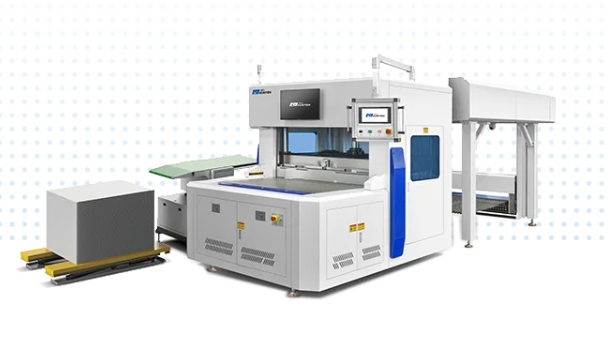
Even with high-quality professional equipment, standardized daily operation and maintenance are still key to maintaining long-term efficient operation. First, reasonably match the operating speed according to material thickness and hardness; excessive pursuit of ultra-high speed in a short time will cause structural load and reduce separation precision. Second, regularly clean the scrap discharge channel and filter components to avoid accumulated waste blocking the conveying path.
Third, regularly check the tension accessories and flexible separation parts, and replace wearing components in a planned cycle to ensure consistent stripping effect. Combined with digital production management, factory managers can record daily equipment operation data, summarize optimal parameter ranges for different packaging materials, and form standardized operation manuals to unify operating standards for all employees.
High-speed packaging waste stripping is a key link connecting die-cutting processing and finished product sorting, and its efficiency and precision directly determine the comprehensive competitiveness of packaging enterprises in the high-speed delivery market. Facing increasingly stringent product quality requirements and escalating production capacity pressure, abandoning inefficient traditional waste removal methods and adopting adaptive, high-efficiency, customizable professional solutions has become an inevitable industry trend.
KYD, as a reliable full-range packaging post-processing equipment supplier, always takes actual production pain points as the starting point, continuously optimizes equipment performance and customized service capabilities, and helps global packaging clients break efficiency bottlenecks in high-volume production. If you are struggling with unstable waste stripping quality and insufficient line operating speed, a targeted high-speed waste stripping configuration will bring obvious improvements to your production line.
Free one-year warranty.
24/7 technical support.
Efficient supply of original spare parts.


|
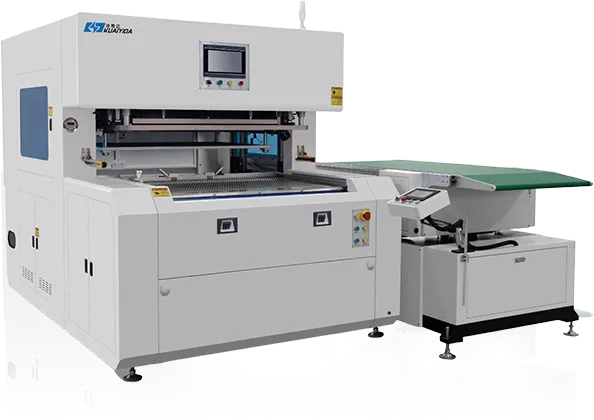
Core Competency |
Manual feeding + automatic waste removal |
|
Suitable Scenario |
Irregularly shaped products |
|
Minimum Product Size |
35X35mm |
|
Waste Removal Speed |
1-5 times/min |
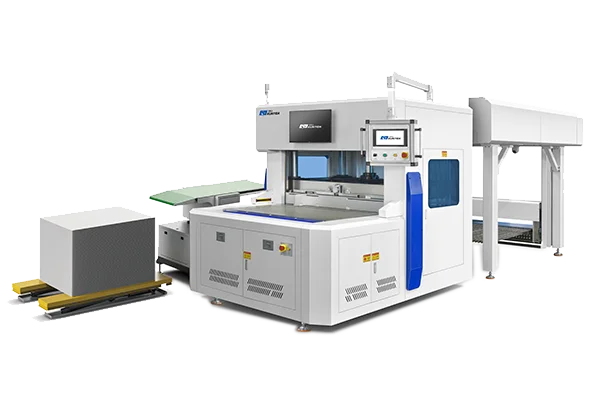
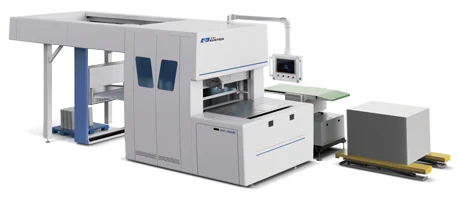
| Core Competency | Auto Collection |
| Suitable Scenario | Packaging |
| Minimum Product Size | 100*80mm |
| Waste Removal Speed | 2-3 times/min |

| Core Competency | Economical waste disposal solutions |
| Suitable Scenario | Basic packaging box |
| Minimum Product Size | 35X35mm |
| Waste Removal Speed | 1-5 times/min |
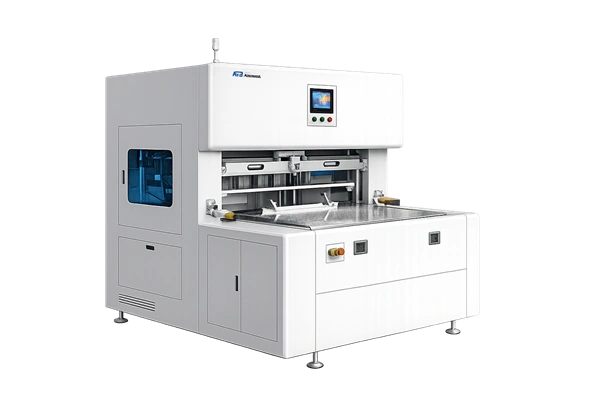
| Core Competency | waste removal |
| Suitable Scenario | Packaging |
| Minimum Product Size | 35X35mm |
| Waste Removal Speed | 1-5 times/min |



 English
 Español